HydrogenShipbuilding.com

click to database

Tag: liquid-hydrogen

  • Bureau Veritas granted AiP for CSSC Jiangnan Shipyard Hydrogen carrier

    Bureau Veritas has granted Approval in Principle (AIP) certification to CSSC Jiangnan Shipyard for a 20,000 m³ liquid hydrogen carrier designed for long-distance green hydrogen transport between East Asia, the Middle East, and Australia.

    Hydrogen Carrier Design Certified

    The vessel features Jiangnan Shipyard’s proprietary ultra-low-temperature cargo containment system, enabling safe hydrogen transport while significantly reducing boil-off rate. The AIP certification validates the technical feasibility and safety of the design, paving the way for construction of what would be one of the world’s largest liquid hydrogen carriers.

    Long-distance hydrogen shipping requires maintaining cargo at -253°C throughout voyages potentially spanning thousands of nautical miles. The reduced boil-off rate is critical for commercial viability, as hydrogen loss during transport directly impacts the economics of international green hydrogen trade.

    Supporting Infrastructure Development

    The certified design targets emerging hydrogen export routes from Australia and the Middle East—regions developing large-scale green hydrogen production capacity—to energy-importing nations in East Asia. This aligns with Japan and South Korea’s strategies to import significant volumes of hydrogen as part of their decarbonization pathways.

    Why This Matters

    AIP certification for a 20,000 m³ hydrogen carrier marks a critical step toward establishing international hydrogen shipping routes. While smaller demonstration vessels have proven the concept, commercial-scale hydrogen trade requires purpose-built carriers with capacities sufficient to make long-distance transport economically viable. The vessel’s focus on East Asia-Middle East-Australia routes directly addresses the anticipated major hydrogen trade corridors of the 2030s, where resource-rich exporters will supply demand centers lacking domestic renewable energy capacity. Bureau Veritas’s independent technical validation reduces investment risk for shipowners and charterers planning to participate in the emerging hydrogen shipping market.

    Additional Green Ship Certifications

    Bureau Veritas also granted AIP certification to three other Jiangnan Shipyard projects supporting maritime decarbonization:

    • 200,000 m³ ULAC-FSRU: Ultra-large ammonia carrier with regasification capability for direct pipeline supply
    • 175,000 m³ MARK III Flex LNG Carrier: Optimized design reducing carbon emissions and methane slip
    • JINAGAS Ammonia Fuel Supply System: Zero-carbon fuel solution compliant with IMO interim guidelines for ammonia as fuel

    The certifications strengthen cooperation between Bureau Veritas and Jiangnan Shipyard, supporting practical deployment of green shipping technologies across multiple alternative fuel pathways.


    Source: Bureau Veritas Marine & Offshore – “BV Grants AIP Certification to Four Jiangnan Shipyard Projects” (December 29, 2025)
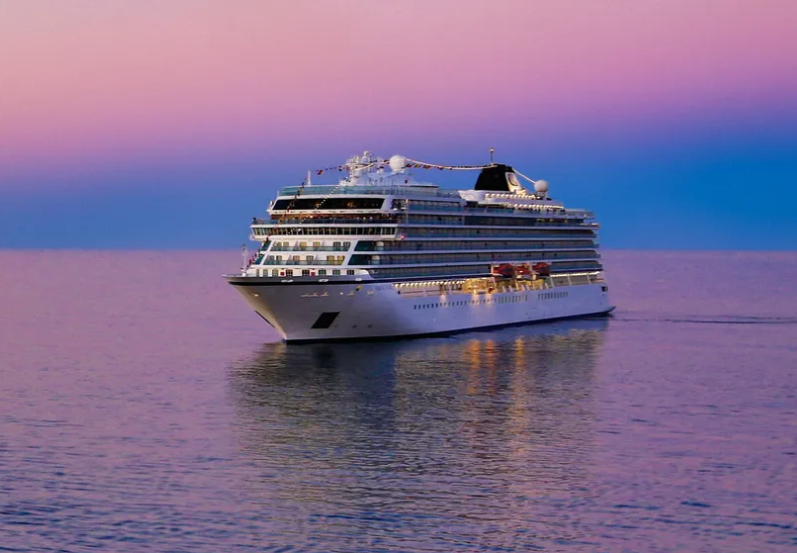
  • Viking Libra: A step Towards Zero-Emission Cruising

    In a groundbreaking development for the maritime industry, Italian shipbuilder Fincantieri and Swiss cruise line Viking have unveiled the world’s first cruise ship powered by liquid hydrogen stored onboard. This pioneering vessel, named Viking Libra, is currently under construction at Fincantieri’s Ancona shipyard, with delivery anticipated in late 2026. This has been long in the making but very good to see this public announcement. It is another confirmation of the role liquid hydrogen can play in maritime transport.

    Source: Viking cruises

    The Viking Libra represents a significant advancement in sustainable maritime technology. With a gross tonnage of approximately 54,300 tons and a length of 239 meters, the ship is engineered to operate with zero emissions. Its state-of-the-art hydrogen propulsion system, combined with advanced fuel cell technology, is capable of generating up to 6 megawatts of power.

    A notable feature of the Viking Libra is its innovative approach to hydrogen storage and utilization. The vessel will incorporate a containerized system designed to load and store hydrogen directly onboard, effectively addressing existing supply chain challenges. This hydrogen will fuel a polymer electrolyte membrane (PEM) fuel cell system, specifically optimized for cruise operations and developed by Isotta Fraschini Motori (IFM), a subsidiary of Fincantieri specializing in advanced fuel cell technology.

    Torstein Hagen, Chairman and CEO of Viking, expressed pride in this environmental milestone:

    “From the outset, we have designed our river and ocean ships thoughtfully to reduce their fuel consumption, and we are very proud that the Viking Libra and the Viking Astrea will be even more environmentally friendly. Viking made the principled decision to invest in hydrogen, which offers a true zero-emission solution. We look forward to welcoming the world’s first hydrogen-powered cruise ship to our fleet in 2026.”

    Expanding the Fincantieri-Viking Partnership

    In addition to the Viking Libra, Fincantieri is constructing the Viking Astrea, another hydrogen-powered vessel scheduled for delivery in 2027. This initiative underscores Viking’s commitment to sustainable cruising and marks a significant step toward reducing the environmental impact of maritime travel.

    Further strengthening their collaboration, Fincantieri and Viking have signed an agreement for the construction of two additional cruise ships, set for delivery in 2031. This contract includes an option for two more vessels and is based on the successful design features of previous units built by Fincantieri for Viking. These new ships will comply with the latest environmental regulations and incorporate modern safety systems. Positioned in the small cruise ship segment, each will have a gross tonnage of about 54,300 tons and accommodate 998 passengers across 499 cabins.

    Pierroberto Folgiero, CEO and Managing Director of Fincantieri, highlighted the significance of this partnership:

    “With the Viking Libra, we are not only delivering the world’s first cruise ship powered by hydrogen stored on board, but we are also reinforcing our commitment to shaping the future of sustainable maritime transportation. Furthermore, we are thrilled about Viking’s decision to expand its fleet with the order of two additional ships, which reaffirms the strength of our partnership and the trust placed in our expertise.”

    Pioneering Sustainable Maritime Transportation

    The launch of the Viking Libra signifies a pivotal moment in the cruise industry’s journey toward sustainability. By integrating hydrogen fuel technology, Viking and Fincantieri are setting new standards for eco-friendly maritime operations, paving the way for a future where zero-emission cruising becomes the norm.

    As the maritime sector continues to seek innovative solutions to reduce its environmental footprint, collaborations like that of Fincantieri and Viking exemplify the transformative potential of embracing green technologies. The Viking Libra and its sister ships stand as beacons of progress, heralding a new era in sustainable sea travel.

  • H2ESTIA Project: Liquid Hydrogen-Powered General Cargo Ship

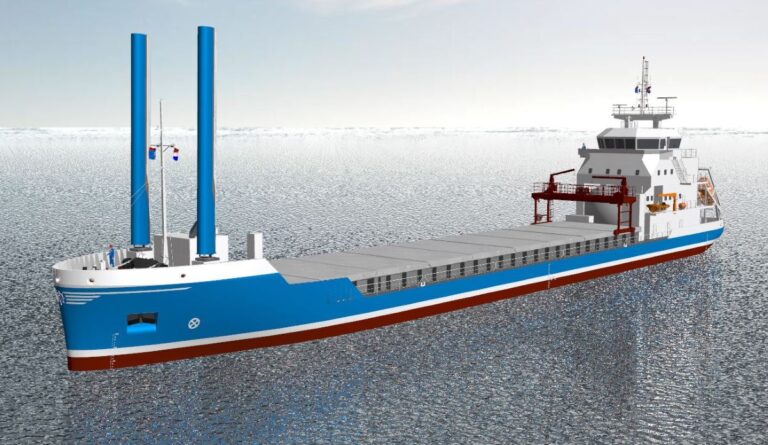
    In February this site already reported on five Dutch hydrogen ships winning subsidy. Now the general public is introduced to one of those vessels: the H2ESTIA Project. Spearheaded by the Nederlandse Innovatie Maatschappij (NIM), this project aims to develop the world’s first zero-emission general cargo ship powered by liquid hydrogen, marking a significant milestone in the quest for greener shipping solutions.

    Project Overview

    The H2ESTIA Project focuses on the design, construction, and demonstration of a hydrogen-powered cargo vessel intended for operations in the North Sea and beyond. Managed by Van Dam Shipping, a family-run short-sea and inland shipping company, the vessel is designed to transport bulk goods without emitting harmful pollutants, thereby redefining sustainable maritime logistics.

    Source: NIM

    Innovative Technological Integration

    Central to the project’s innovation is its integrated approach to hydrogen propulsion. The vessel will feature a newly designed cryogenic hydrogen storage and bunkering system, ensuring the safe handling and storage of liquid hydrogen at extremely low temperatures. Propulsion will be achieved through a hydrogen fuel cell system complemented by batteries, delivering clean and efficient power.

    To enhance energy efficiency further, the ship will incorporate:

    • Wind-Assisted Propulsion: Utilizing wind power to reduce reliance on hydrogen fuel.
    • Waste Heat Recovery Systems: Capturing and reusing excess heat to improve overall energy utilization.

    Additionally, the implementation of digital twin technology will create a virtual model of the ship, allowing for real-time monitoring, operational optimization, and enhanced safety measures.

    Collaborative Effort

    The H2ESTIA Project is supported by a consortium of leading maritime and technology organizations, including TNO, MARIN, the University of Twente, Cryovat, EnginX, Encontech, and classification society RINA. This collaborative effort is further backed by the Dutch Ministry of Infrastructure and Water Management, highlighting the project’s national significance in advancing sustainable shipping practices.

    Statements from Key Stakeholders

    Sander Roosjen, CTO at NIM, emphasized the project’s groundbreaking nature: “H2ESTIA is a flagship project for commercial shipping. By integrating hydrogen technology with digital innovation, we are proving that zero-emission shipping is not just a vision—it is an achievable reality.”

    Jan van Dam, CEO of Van Dam Shipping, highlighted the importance of collaborative efforts: “Parallel to the H2ESTIA Project, we are working on securing the supply, as well as the necessary bunkering and logistics. This is a combined effort, as a single ship alone does not generate sufficient demand. Collaboration at this stage is what transforms our ambitions into reality.”

    Implications for the Maritime Industry

    The H2ESTIA Project aims to demonstrate both the technological readiness and economic viability of hydrogen-powered cargo vessels, paving the way for their commercial deployment. By addressing challenges such as hydrogen system certification, risk management, and crew training, the project sets a precedent for the safe integration of hydrogen technology into maritime operations.

    As the maritime industry continues to seek sustainable alternatives to traditional fossil fuels, initiatives like H2ESTIA exemplify the potential of hydrogen as a clean energy source, offering a promising pathway toward achieving zero-emission shipping in the near future.