HydrogenShipbuilding.com

click to database

Hydrogen news

  • Can Maritime Hydrogen Overcome the Headwinds?

    When the Institute for Energy Econonomics and Financial Analysis writes a report about maritime hydrogen it is worth a read-through. Even tough they are somewhat underestimating hydrogen itself as fuel. Here is a summary. Find the full report here.
    The shipping industry is at a crossroads. It is responsible for over 700 million metric tons of CO₂ emissions every year, making it one of the world’s biggest polluters. With the International Maritime Organization (IMO) targeting net-zero emissions by 2050, the pressure is on to find cleaner alternatives to fossil fuels.

    Hydrogen-based fuels—hydrogen, ammonia, and methanol—are often discussed as solutions. But are they really viable? A recent report from IEEFA highlights the potential, challenges, and risks of these fuels. The key takeaway? Hydrogen won’t save shipping overnight.

    Hydrogen: Clean, But Costly and Complex

    Hydrogen offers a zero-carbon combustion process. In theory, it could power ships without emitting CO₂. But in practice, it faces major barriers.

    • Storage challenges: Hydrogen has low energy density, meaning ships need large storage tanks or frequent refueling.
    • Infrastructure gaps: Ports lack the bunkering and supply chains to support large-scale hydrogen use.
    • High costs: Green hydrogen costs between $4.50–$12/kg, while fossil-based hydrogen is much cheaper at $0.98–$2.93/kg.
    • Safety risks: Hydrogen is highly flammable and requires extreme pressure or cryogenic storage.

    For now, hydrogen is only viable for short-sea shipping or as a hybrid solution for auxiliary power.

    Ammonia: A Promising But Risky Alternative

    Ammonia is emerging as a potential maritime fuel, offering better storage and transport capabilities than hydrogen. However, it comes with serious downsides:

    • Highly toxic: Ammonia spills could be dangerous for marine life and crews.
    • Pollution risks: Without proper emission controls, ammonia combustion releases NOx and nitrous oxide (N₂O), a potent greenhouse gas.
    • Lower energy density: Ships using ammonia would need larger storage tanks or frequent refueling stops.

    Despite these challenges, engine prototypes for ammonia-powered ships are in development, and some companies are exploring its potential.

    Methanol: The Front-Runner for Now

    Methanol is currently the most practical option for green shipping. It is:

    Easier to store and transport than hydrogen or ammonia.
    Compatible with existing port infrastructure—120+ ports already handle methanol.
    Gaining traction—more than 200 new methanol-powered ships are on order.

    The downside? Feedstock constraints. Green methanol relies on renewable hydrogen and captured CO₂, which are not yet widely available.

    The Infrastructure & Cost Problem

    None of these fuels can succeed without major investments in infrastructure. Hydrogen and ammonia require new bunkering systems, specialized storage, and refueling networks. Even methanol, the most developed, needs expanded supply chains to meet demand.

    Additionally, green hydrogen is too expensive to compete with fossil fuels. Until costs drop, adoption will be slow. Government incentives and private investment are crucial to making these fuels viable.

    Regulations & Corporate Action

    • IMO Targets: The IMO aims for 30% CO₂ cuts by 2030, 80% by 2040, and net-zero by 2050. However, these are not yet legally binding.
    • EU Policies: The FuelEU Maritime Regulation enforces 80% lower greenhouse gas intensity by 2050.
    • Industry Commitment: Companies like Maersk, Amazon, and Unilever have pledged to use only zero-carbon ocean freight by 2040.

    Conclusion: A Long Road Ahead

    Hydrogen-based fuels are not a silver bullet. Methanol leads today, ammonia follows, and hydrogen lags behind. Cost, infrastructure, and safety challenges must be overcome before widespread adoption.

    The shipping industry must act now to avoid a dirty hydrogen lock-in—where fossil-based hydrogen becomes the norm. The future of green shipping will depend on policy, investment, and innovation.

    What do you think? Will hydrogen become the fuel of the future, or will other technologies take the lead? Let me know in the comments. 🚢💨
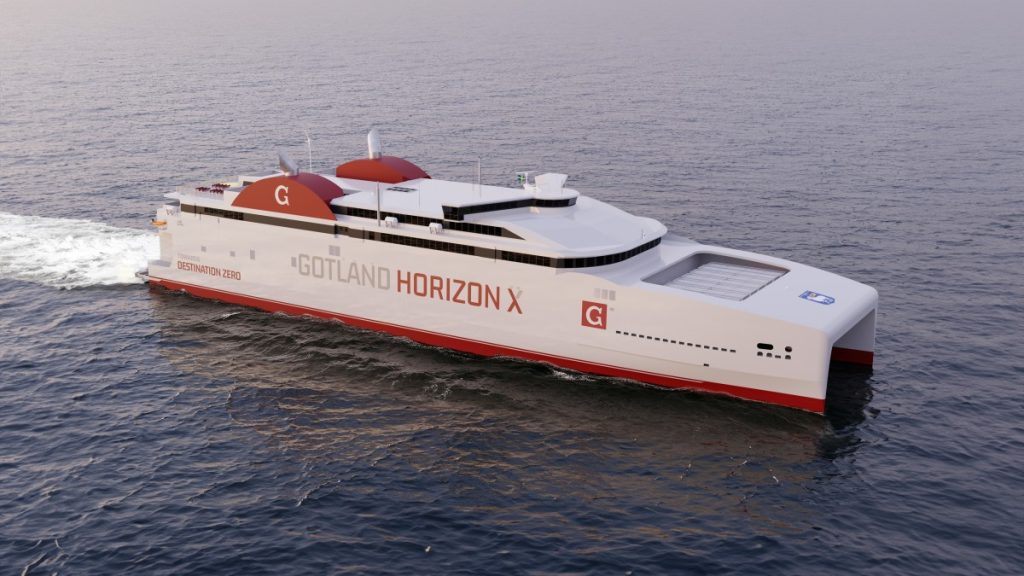
  • Gotlandsbolaget’s Hydrogen-Ready High-Speed Ferry

    I have to admit the hydrogen system of this vessel is not very clear yet. What means hydrogen ready? However we can see hydrogen storage containers at the bow open deck area. Therefore very good to see these kind of vessels being introduced with hydrogen as fuel.

    Austal Australasia

    Austal Australasia has secured a contract valued between A$265 and A$275 million to design and construct a 130-meter, hydrogen-ready high-speed ferry for Sweden’s Gotlandsbolaget. This vessel, part of the ‘Horizon X’ program, will be the largest ever built by Austal. It will feature a unique combined cycle propulsion system that includes both gas and steam turbines—a first for high-speed craft worldwide. The ferry will have the capacity to transport up to 1,500 passengers, 400 vehicles, and cargo. Construction is scheduled to begin in the first half of 2026 at Austal’s Philippines shipyard, utilizing ‘green aluminium’ produced through energy-efficient processes to reduce emissions. Completion is expected by mid-2028.

    Source: Austal

    Combined cycle propulsion system

    The combined cycle propulsion system enhances efficiency by repurposing engine exhaust to power steam turbines, reducing overall fuel consumption and emissions. This design allows for flexibility in fuel types, including hydrogen, aligning with global decarbonization efforts in maritime transport. The vessel’s hydrogen-ready configuration means it can transition to zero-emission operations as hydrogen fuel becomes more accessible. In October 2024, the project received approval in principle from the international classification society DNV, confirming compliance with regulations for gas-fueled ship installations and the International Code of Safety for Ships Using Gases or Other Low Flashpoint Fuels.

    Collaboration

    Austal and Gotland Tech Development have collaborated with global technology providers to refine the vessel’s propulsion system. This partnership has focused on selecting preferred equipment and defining system arrangements that repurpose engine exhaust to contribute to vessel propulsion, thereby reducing emissions. The use of ‘green aluminium’ in construction further underscores the project’s commitment to sustainability, as this material is produced using energy-efficient processes that result in lower carbon emissions.

    This project represents a significant advancement in sustainable maritime transport, combining innovative propulsion technology with environmentally friendly materials to set new standards in eco-friendly ferry design.

  • Five new hydrogen vessels receive Dutch subsidy

    On Thursday 06 February five new hydrogen vessels were granted a subsidy by the Dutch government under Maritime Masterplan program. Two methanol and two carbon capture projects received subsidy too. This first call included a total budget of €85 million of which €40 was allocated to hydrogen vessels. For those who missed out, a next call is planned for next year. Among this years winners are the following projects.

    H2ESTIA: A Zero-Emission Coaster

    H2ESTIA is a 5,000 DWT hydrogen-powered coaster, developed by a consortium led by NIM. It features a 1.5 MW LT-PEM fuel cell, a 1 MW battery, and electric propulsion. The ship carries 200m³ of liquid hydrogen (11 tons) and boasts a 1,700 NM range, assisted by e-sails and a waste heat recovery system. This project is a major step toward sustainable coastal shipping.

    Source: Maritiem Masterplan

    Hydrogen-Powered River Cruiser

    A hydrogen-powered river cruise vessel is under development for operations on the Rhine and Danube. It measures 110m x 11m and reaches speeds of up to 22 km/h. This project introduces hydrogen as a clean energy source for the river cruise industry, reducing emissions on inland waterways.

    Hybrid H2 ICE-FC Dredging Vessel

    The Gaasterland, a deep-suction dredger motor barge, is being upgraded with a hybrid hydrogen internal combustion engine (ICE) and fuel cell system. This retrofit aims to reduce emissions while maintaining operational efficiency. The project involves Mineralis B.V., NPS Driven B.V., TNO, and other industry leaders.

    Columbus Zero One: Hydrogen-Powered Inland Transport

    Columbus Zero One is a small, zero-emission hydrogen-powered barge designed for transporting construction materials between the IJsselmeer and Randstad. The ship operates on compressed hydrogen (350 bar), setting a benchmark for sustainable inland shipping.

    Hydro Navis: Liquid Hydrogen Transport

    Hydro Navis is a new zero-emission vessel designed for steel plate transport in wind farm construction. It features a cryogenic liquid hydrogen tank, ensuring efficient and clean operations. The project is supported by NPRC, Hydro-Nova, Marin, NIM, and Concordia Damen Shipyard.

    Source: Maritiem Masterplan

    MOBY NL: Methanol-Powered Bunkering Ship

    MOBY NL is a newly built bunkering vessel operating in the Amsterdam-Rotterdam-Antwerp (ARA) region. The 135m x 11.45m methanol tanker exceeds 6,000 GT and features a dual-fuel methanol propulsion system. The project is backed by Victrol, Shipping Technology, NIM, and other key partners.

    Methanorms: Geophysical Survey Vessel

    Methanorms is a DP-1 geophysical survey vessel designed for efficient execution and real-time monitoring. Its success lies in prior research, scalability, and regulatory compliance. It serves as a model for future survey vessels operating with lower environmental impact.

    BLUE HORIZON: Carbon Capture for LNG Tankers

    Coral Energy, an LNG tanker (115m x 22m, 13,501 GT), is being equipped with a carbon capture system to reduce CO₂ emissions. This project demonstrates how carbon capture can enhance the sustainability of LNG-powered vessels.

    ME2CC: Compact Carbon Capture for LNG Ships

    The Maritime Efficient & Easy Carbon Capture (ME2CC) project is focused on developing compact carbon capture systems for LNG-powered vessels. The first implementation will be on MV Kvitbjorn, a Samskip-operated ship. This technology could bridge the gap toward zero-emission shipping.

    A Step Toward a Cleaner Future

    These projects highlight the rapid advancements in hydrogen and alternative fuel shipping. It is good to see these projects receive capex support. This is the way to develop green hydrogen shipping. After Norway leading the way it is good to see the Dutch following and we can only hope for more.

  • Plug Power Introduces Industry-First Spot Pricing for Green Hydrogen

    In shipping port it is perfectly doable to order a quantity of fossil fuel oil for delivery the next day. Not so for hydrogen: first sign a decade long off-take agreement, then receive your hydrogen at predefined intervals and quantities. And pay if you do not take it. This needs to change to be suitable for a dynamic industry like shipping. Therefore Plug Power’s new initiative is worth the attention, even though not applicable to shipping (yet).

    The hydrogen sector just took a significant step forward with Plug Power’s announcement of the industry’s first spot pricing for green hydrogen. This move aims to bring a new level of transparency and flexibility to the market, addressing the demand for more dynamic and accessible hydrogen pricing.

    What Is Spot Pricing?

    Spot pricing allows buyers to purchase green hydrogen at current market rates instead of relying solely on long-term contracts. This model mirrors traditional commodity markets, such as natural gas and electricity, where prices fluctuate based on supply and demand. For industries transitioning to hydrogen, this innovation provides an opportunity to optimize costs and procurement strategies.

    Why This Matters

    For years, green hydrogen has faced challenges related to high production costs and market uncertainty. By introducing spot pricing, Plug Power is making hydrogen procurement more accessible and predictable. This shift is expected to encourage wider adoption, particularly for industries that require flexible purchasing options, such as transport, logistics, and manufacturing.

    From a broader perspective, spot pricing could also help stabilize hydrogen markets by allowing more buyers to enter without the long-term financial commitment typically associated with fixed-price contracts. This could accelerate the hydrogen economy’s growth, ensuring a more competitive landscape for renewable energy.

    Potential Impacts on the Hydrogen Market

    1. Increased Market Liquidity – By offering spot prices, Plug Power could attract new buyers who were previously hesitant to commit to long-term contracts.
    2. Price Discovery and Transparency – A more open pricing model enables businesses to better assess the true cost of hydrogen, potentially driving down prices as competition increases.
    3. Encouragement for Production Growth – If demand increases due to more flexible pricing, hydrogen producers may be incentivized to expand their capacity, leading to greater availability and lower costs over time.
    4. Facilitating the Energy Transition – Many industries looking to decarbonize will benefit from easier access to green hydrogen, making it a more viable alternative to fossil fuels.

    Challenges and Considerations

    Despite the potential benefits, the transition to a spot pricing model does come with risks. Hydrogen production and delivery still depend on infrastructure that is in its early stages of development. Market fluctuations may also introduce volatility, which some buyers might see as a disadvantage compared to fixed contracts.

    Additionally, for spot pricing to succeed, there must be sufficient supply and a competitive market environment. If hydrogen production remains constrained, spot pricing could lead to price spikes rather than stability.

    Final Thoughts

    Plug Power’s introduction of spot pricing for green hydrogen is a bold step toward creating a more flexible and transparent hydrogen economy. While challenges remain, this model has the potential to unlock new opportunities for buyers and producers alike. If successful, it could pave the way for broader hydrogen adoption and a more competitive clean energy landscape. And it is definitely something we wish we can have in shipping too.

  • Ricardo’s Hydrogen Fuel Cell Module Hits 393 kW – Why This Matters

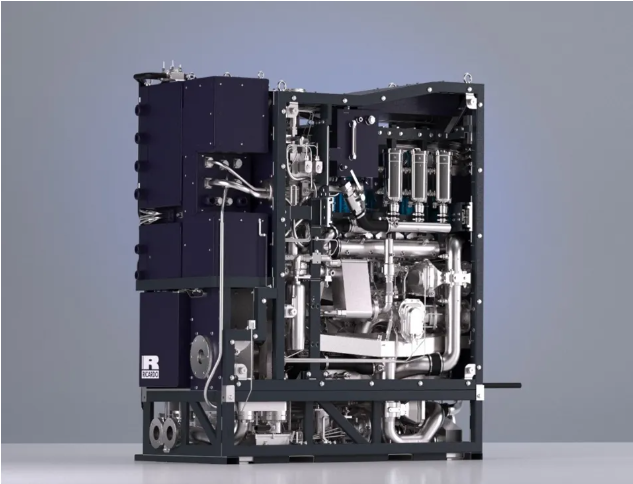
    Ricardo recently achieved a high net power output of 393 kW. This is substantially higher then TECO 2030’s fuel cell and almost double that of Powercell’s largest unit. This matters, because we need an increase in power density to power larger ships with hydrogen.

    Ricardo has successfully achieved a net power output of 393 kW with its hydrogen fuel cell module, marking a major milestone in clean energy technology. This high power capacity is crucial because it enables fuel cells to replace conventional diesel engines in demanding applications such as heavy-duty transport, marine vessels, and industrial power generation.

    Source: Ricardo.com

    Why High Capacity Matters

    Hydrogen fuel cells are a promising alternative to fossil fuels, but their adoption depends on meeting the power and reliability standards of existing combustion engines. A 393 kW output means that a set of Ricardo’s fuel cell modules can provide enough power for large-scale applications, including:

    • Heavy-duty trucks and buses – Ensuring long-haul transportation can operate on hydrogen without sacrificing performance.
    • Marine vessels – Many ships require high power output into multi-Megawatts for propulsion and auxiliary systems, making fuel cells a viable solution for emissions reduction.
    • Industrial and backup power – Hydrogen fuel cells with high output can serve as reliable, zero-emission alternatives to diesel generators.

    A Step Toward Decarbonization

    By reaching this performance benchmark, Ricardo demonstrates that hydrogen fuel cells are not just for small-scale applications but can drive major industries toward net-zero emissions. The higher the capacity, the more competitive hydrogen becomes against traditional combustion engines, pushing the world closer to a sustainable energy transition.

    This breakthrough strengthens the case for hydrogen as a key player in heavy transport and industrial power, accelerating its adoption in sectors that have been difficult to decarbonize. Ricardo’s success marks another step toward a future where clean, high-performance energy solutions become the norm.

  • New Hydrogen Ship Discoveries: January 2025

    Over the past month, I have discovered several hydrogen-powered shipbuilding projects that highlight the growing adoption of this sustainable fuel in the maritime industry. These projects span diverse vessel types, from research ships to inland barges and innovative catamarans. From now on I will follow these projects and keep you informed about them. Below is a summary of these four notable developments.

    Lithuania’s First Hydrogen-Powered Ship

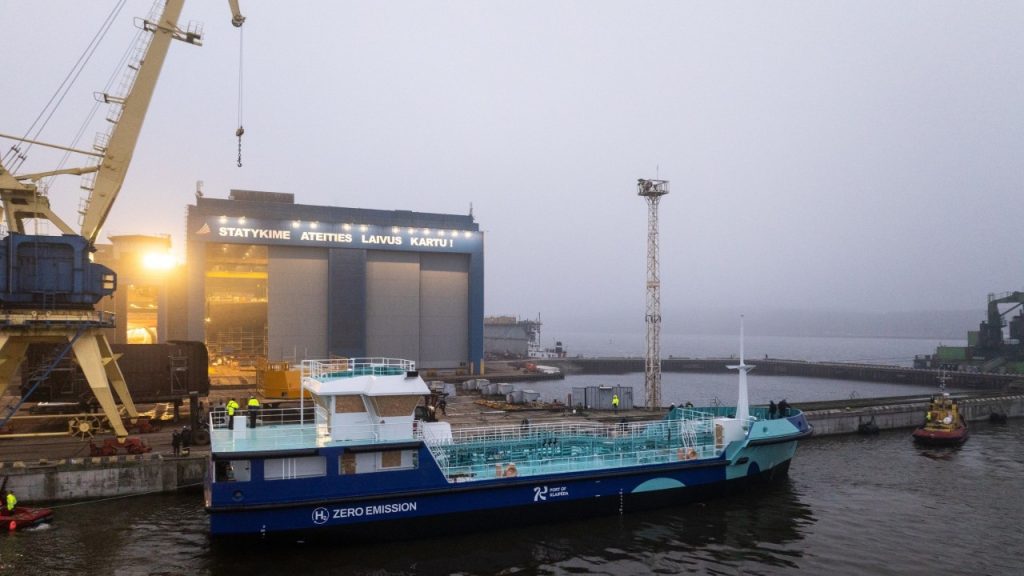
    Lithuania has launched its first hydrogen-powered vessel, a pioneering step for the Baltic region. Developed by KN Energies in partnership with Port of Klaipėda, this vessel is designed for port operations and logistical support. The ship is equipped with a hybrid propulsion system, combining hydrogen fuel cells with battery storage to optimize efficiency. This marks a significant milestone for Lithuania’s decarbonization efforts in the maritime sector, demonstrating a shift toward cleaner port activities.

    Source: Port of Klaipeda

    Beyond its environmental benefits, the vessel’s design focuses on operational flexibility. The hybrid system allows it to adapt to varying power demands while reducing greenhouse gas emissions. By incorporating hydrogen, the port aims to set an example for future projects, aligning with the European Union’s broader clean energy initiatives. This development reinforces the role of hydrogen in coastal and port applications, paving the way for further regional investments in green maritime technologies.

    Hydrogen-Hybrid Coastal Research Vessel

    The Scripps Institution of Oceanography has initiated the shipyard selection process for a groundbreaking hydrogen-hybrid Coastal Class research vessel. This ship, part of a broader initiative to decarbonize oceanographic research, will be equipped with hydrogen fuel cells supplemented by battery storage, ensuring near-zero emissions during operations. The vessel’s design focuses on silent, low-impact propulsion, which is crucial for scientific studies that require minimal interference with marine ecosystems.

    Source: Glosten

    A key advantage of this hydrogen-hybrid configuration is its extended operational range, allowing researchers to conduct long-duration missions without relying on fossil fuels. By pioneering hydrogen adoption in research fleets, Scripps sets a precedent for academia and government agencies looking to transition to sustainable marine technologies. This project represents a major step toward reducing the environmental footprint of scientific exploration at sea.

    Rhenus Hydrogen-Powered Coupled Barges

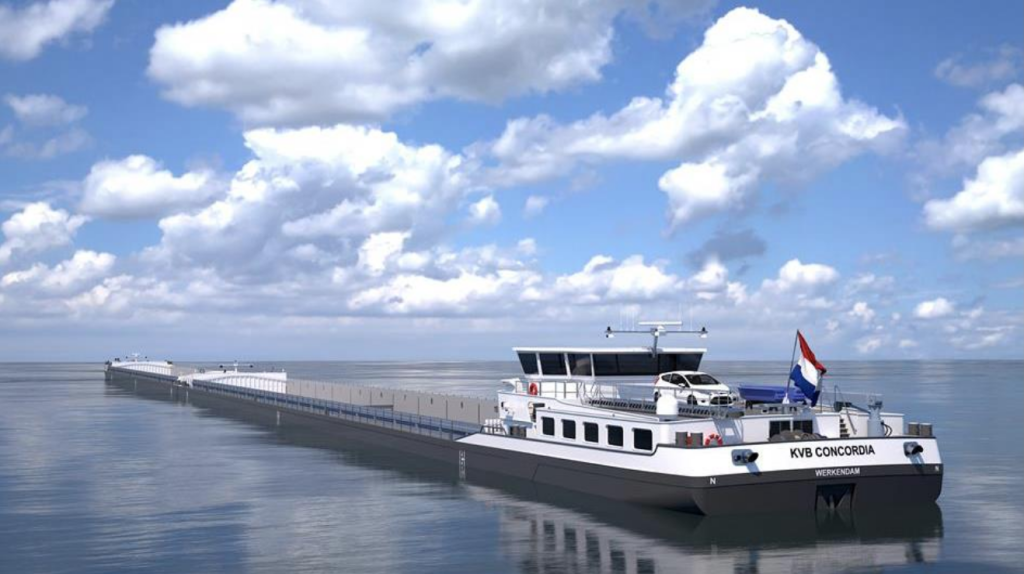
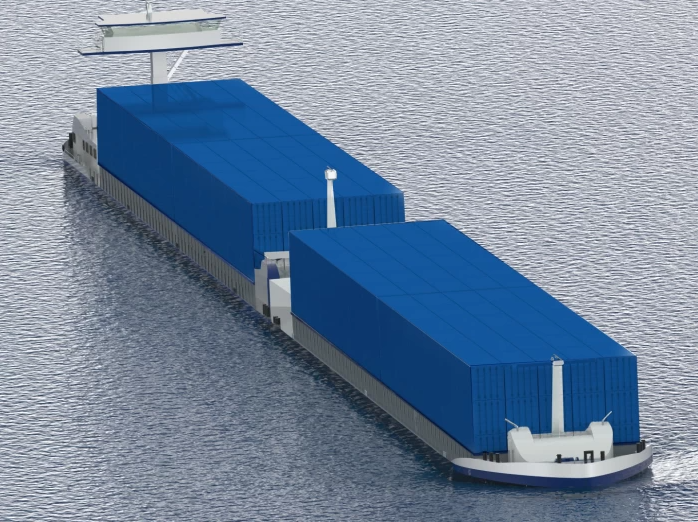
    Logistics giant Rhenus is making a bold move with the introduction of 70 cleaner coupled barges, incorporating hydrogen-based propulsion. These vessels will serve European inland waterways, significantly cutting emissions in a sector that has long relied on diesel engines. With hydrogen fuel cells providing the primary energy source, these barges represent a major leap forward for sustainable inland shipping, a critical component of Europe’s transport network.

    Source: Rhenus Group

    By replacing conventional engines with hydrogen-powered systems, Rhenus aims to align with EU regulations targeting emissions reductions in inland waterways. The project underscores the potential for hydrogen in large-scale commercial applications, proving that clean energy solutions can be economically viable. If successful, this fleet could set a precedent for similar initiatives across Europe, transforming inland shipping into a low-emission alternative.

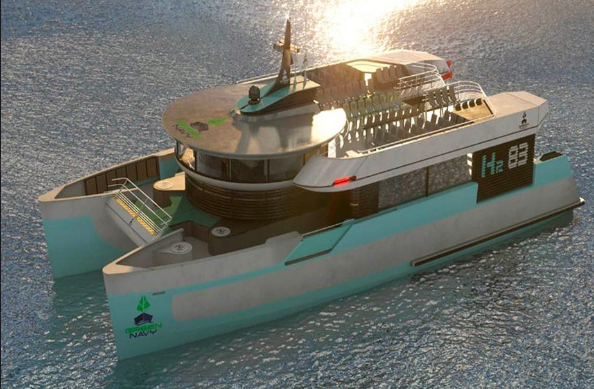
    Prometeo: Europe’s First Hydrogen-Electric Catamaran

    French company Green Navy has introduced Prometeo, the first hydrogen-electric catamaran in Europe. Designed for passenger transport and leisure applications, this vessel operates entirely on hydrogen fuel cells, producing zero emissions. The catamaran’s design emphasizes efficiency, with lightweight materials and streamlined hulls to maximize performance. As a result, it offers a practical alternative to diesel-powered vessels in coastal and inland waters.

    Source: Green Navy

    Prometeo showcases the potential for hydrogen-electric propulsion in the leisure and transport sectors, where sustainability is becoming an increasing priority. The vessel’s development highlights France’s commitment to green maritime technology, potentially inspiring other shipbuilders to follow suit. As hydrogen infrastructure continues to expand, vessels like Prometeo may become more commonplace, helping to decarbonize the wider maritime industry.

    Four more exciting project to follow

    These four projects demonstrate the accelerating pace of hydrogen adoption in maritime applications. From inland barges to oceanographic research vessels, hydrogen is proving to be a viable alternative to fossil fuels, driving innovation across multiple segments of the industry. As more shipbuilders and operators commit to hydrogen, the path to a cleaner maritime future is becoming increasingly clear.

  • GreenH Advances Hydrogen Hub for Ships

    Those involved with hydrogen project for shipping know the chicken-and-egg situation: why build hydrogen ships when there is not supply vs in order to build the infrastructure we need guaranteed long term off-take. That is why GreenH’s final investment decision (FID) is such a big deal: finally dedicated hydrogen supply hub for ships will be constructed. While simultaneously solving the problem of bunkering high volumes of compressed hydrogen into a ship. Therefore we can only respect this major green shipping milestone.

    Norwegian company GreenH has secured NOK 1 billion (approximately $89 million) to develop a green hydrogen facility in Bodø. This plant will supply hydrogen the two Torghatten Nord’s ferries on the Vestfjorden route. The FID, announced on January 27, 2025, marks a significant milestone after four years of development.

    Source: GreenH

    Enova grant

    In November 2024, Enova granted NOK 129 million (around $11.5 million) to support the Bodø hydrogen facility. This funding was pivotal in reaching the final investment decision.

    Norwegian hydrogen hub

    The Bodø facility will feature a 20 MW electrolyzer, capable of producing up to 3,100 tons of green hydrogen annually. Operations are slated to begin in 2026, making it the first in Northern Europe to supply pressurized green hydrogen directly to maritime vessels. This initiative aligns with broader efforts to decarbonize maritime transport. For instance, Norwegian shipyard Myklebust Verft is constructing two hydrogen-powered ferries for Torghatten Nord. Upon delivery, these vessels will be the world’s largest hydrogen-powered ships, operating primarily on the green hydrogen produced in Bodø.

    Port infrastructure

    Globally, ports are investing in hydrogen infrastructure to support sustainable shipping. The Port of Seattle is exploring green hydrogen to power port operations and fuel vessels. Similarly, the Hamburg Green Hydrogen Hub plans to start building its electrolysis plant in 2025, aiming to decarbonize the port and surrounding industries. These developments underscore the maritime industry’s commitment to reducing emissions through innovative hydrogen solutions.

  • Energy Observer 2 – Fuel EU Maritime

    In my previous post I explained how the Energy Observer 2 is a new milestone for hydrogen powered vessels. This post analyzes a typical operation for such vessel across European ports in an assumed schedule and evaluates its potential benefits from Fuel EU Maritime.

    Operational Snapshot

    The vessel operates between key European ports on the west coast:

    PortDistance (nautical miles)Port MovesWaiting Time (hours)Maneuvering Time (hours)
    Hamburg40560022
    Antwerp25250022
    Le Havre46340022
    La Rochelle10320022
    Bordeaux99650022
    Total2,2192,2001010
    Overview of EO2 trade route

    Speed, Time, and Energy Calculations

    The vessel operates at a service speed of 12 knots for regular operations. The journey duration and corresponding energy consumption were calculated as follows:

    • Total sailing days: 7.70 (12 knots)
    • Energy consumption during sailing: 554,750 kWh
    • Port energy consumption: 20,000 kWh (port waiting and maneuvering energy combined)

    Based on the following assumed power ratings:

    • Sailing: 3,000 kW
    • Maneuvering: 1,500 kW
    • Port operations: 500 kW

    Hydrogen Fuel Usage and Emissions

    With a typical consumption rate of 60 grams of LH2 per kWh for fuel cells and no further losses assumed, the vessel’s total hydrogen fuel usage per journey is 34.5 tons. Annually, considering regular operations of one round-trip every two weeks, the vessel consumes 897 tons of liquid hydrogen, or 2.5 tons per day.

    Fuel EU Maritime

    The Fuel EU Maritime regulations that came into force this year is meant to enforce the adoption of renewable fuels and to reward early adopters. When we consider the above amount of RFNBO hydrogen in Fuel EU maritime it demonstrates a strong over-compliance compared to requirements in 2029. This can be verified in any free online calculate like provided here

    Moreover, this over-compliance can be traded at marketplaces which came into operation this year (for example here and here). If we assume a rate of €320 per ton CO2-eq – half of the penalty rate – this give a value of €2.55 million. Or €2.85 per kilo LH2. Whether this amount itself justifies to cost of sailing on liquid hydrogen is doubtful but at least it reduced the operational cost of doing so.

    A Path Forward

    This analysis showcases the potential effect of Fuel EU maritime on hydrogen-powered ships across European shipping routes. As port infrastructure evolves to support hydrogen refueling, this mode of operation will become increasingly viable.

    The hydrogen shipping revolution is just beginning—charting the way toward a sustainable and efficient future.

    What’s your take on hydrogen-powered shipping? Share your thoughts below!

  • Energy Observer 2, a new milestone

    In the past week, more information became known about the largest vessel to-date to operate on liquid hydrogen: the Energy Observer 2 (EO2), a project spearheaded by Energy Observer in collaboration with partners like LMG Marin. This blog post summarizes what is known to date about this large vessel.

    Introducing Energy Observer 2

    Building upon the success of the original Energy Observer—a vessel that demonstrated the viability of renewable energy and hydrogen integration—the EO2 project aims to revolutionize cargo shipping. This 160-meter containership will carry up to 1,100 TEU containers, operating entirely on liquid hydrogen, thereby ensuring zero-emission voyages. Zero emission operation is scheduled to take place on a route along the west coast of Europe. This will connect major ports such as Hamburg, Rotterdam, Antwerp, and Bordeaux, offering a new green corridor on a high-traffic maritime route.

    Source: LMG Marin

    Key Features of EO2:

    • Sustainable Propulsion: Equipped with electric propulsion powered by 4.8 MW fuel cells developed in partnership with EODev and Toyota, EO2 exemplifies cutting-edge maritime technology.
    • Innovative Design: Two large C-type liquid hydrogen tanks located on the aft deck with a total volume of 1,000 m3.
    • Operational Efficiency: With a range of up to 4,000 nautical miles, EO2 is tailored for intra-continental and coastal routes. This is a sustainable alternative to traditional road transportation.
    • No sails: surprisingly, this latest design does not show the Oceanwings’ sails that were present in earlier designs. One possible reason for this omission is the potential interference with cargo operations(?).

    Collaborative Efforts

    The development of EO2 is a testament to collaborative innovation. LMG Marin, renowned for its expertise in decarbonized propulsion, is leading the ship’s design. Other key partners include Air Liquide, CMA CGM Group, Bureau Veritas, and Ayro, each contributing specialized knowledge to ensure the project’s success.

    European Union’s Support

    Highlighting its commitment to sustainable maritime solutions, the European Union’s Innovation Fund has awarded the EO2 project €40 million. See also this blog post.This funding should cover all green equipment cost and a significant amount of operational expense. The grant accelerates the path toward constructing and operating the world’s largest liquid hydrogen-powered cargo ship by 2029.

    A Vision for the Future

    EO2 is not just another ship; it’s a vision for the future of maritime transport. By integrating advanced technologies and fostering international collaboration, it aims to set a new standard for zero-emission shipping due to it’s larger scale, aligning with global efforts to combat climate change.

    As the maritime industry navigates toward a sustainable future, projects like Energy Observer 2 illuminate the course, demonstrating that with innovation and cooperation, zero-emission shipping is not just an aspiration but an achievable reality.

  • Unlocking Hidden Energy: Gold Hydrogen Beneath Our Feet

    The cost of green hydrogen has not gone down yet they way it should have according to predictions. This is disappointing and a risk to the maritime industry using hydrogen as fuel. However here is positive news for the longer term: golden hydrogen.

    Gold hydrogen

    Hydrogen is not just an energy source for the future; it’s already beneath our feet. The unseen and untapped potential of naturally occurring hydrogen, known as “gold” hydrogen, has come to light. Engineers and geologists have now mapped this hydrogen across the United States.

    A groundbreaking map reveals hydrogen reserves under at least 30 U.S. states. This map is the first of its kind, showcasing regions rich in this valuable resource. Such findings could transform energy production, making it more sustainable and economically viable.

    Source: USGS https://certmapper.cr.usgs.gov/data/apps/hydrogen/

    The map results from new research aimed at understanding subsurface hydrogen presence. Scientists believe that geological processes produce this hydrogen naturally. It leaks to the surface from deep within the Earth over thousands of years.

    Cost effectiveness

    Using this gold hydrogen could redefine renewable energy. Unlike traditional hydrogen production, which is energy-intensive, gold hydrogen is naturally available. It offers a cleaner alternative, potentially reducing reliance on fossil fuels.

    The key advantage is its cost-effectiveness. Tapping into these reserves could be cheaper than producing hydrogen artificially. This natural hydrogen has a lower environmental footprint, contributing to a greener planet.

    Challenges ahead

    Navigating challenges is essential to harness this resource. There needs to be a focus on technology development for efficient extraction. Furthermore, sustainable practices must guard against potential environmental impacts.

    The discovery opens doors for renewed interest in hydrogen as a crucial player in energy strategy. By investing in research and development, the U.S. can lead global efforts in clean energy innovation.

    In summary, gold hydrogen holds promise for the future of sustainable energy. With these new findings, a path to cleaner production and economic opportunity lies ahead. As the demand for alternative energy grows, the significance of such discoveries becomes ever more critical.