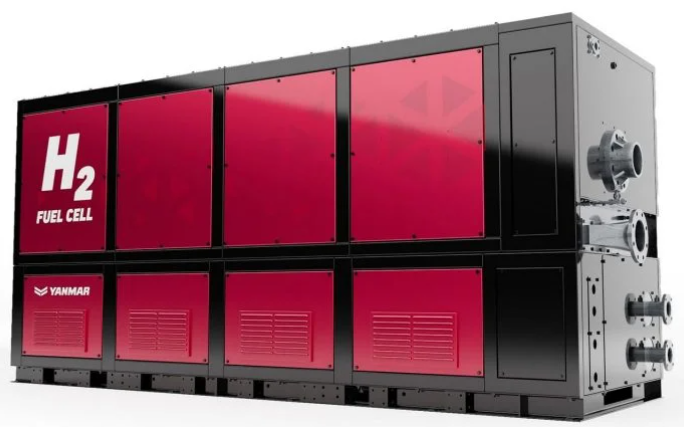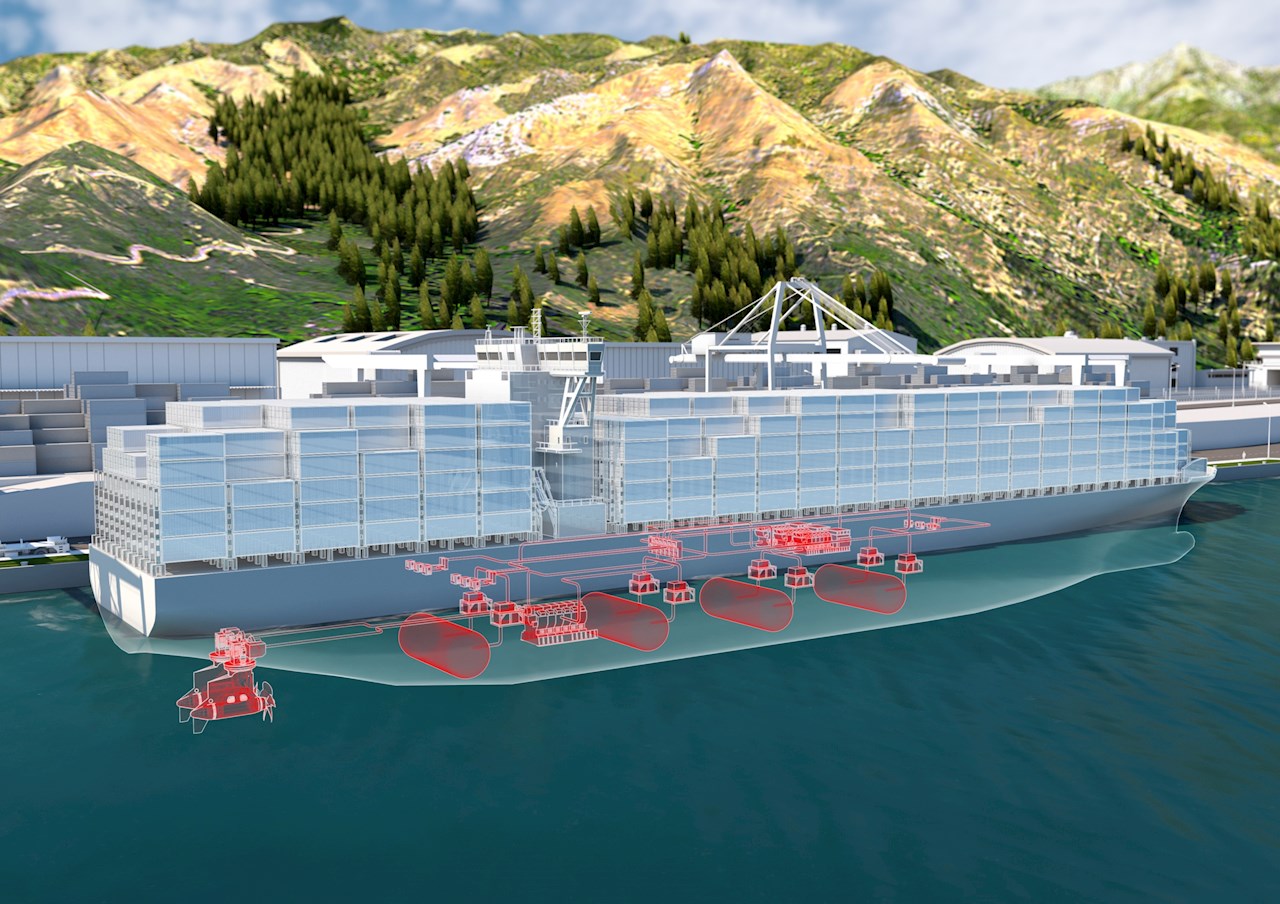
ABB and HDF Energy have signed a joint development agreement to create high-power fuel cell units enabling megawatt-scale hydrogen installations on large seagoing vessels, including container feeder ships and liquefied hydrogen carriers, marking a significant step toward scaling fuel cell technology beyond small vessel applications.
Timeline and Commercial Viability
The agreement foresees pilot installations in 2028-2029 and serial production from 2030, representing a major advancement in developing fuel cells as a commercially viable option for maritime decarbonization. The project builds on an earlier Memorandum of Understanding signed between ABB and HDF Energy in 2020.
Technology Partnership
The collaboration combines complementary expertise from both companies. France-based HDF will provide the fuel cell technology, while ABB will supply power converters, power management, and electrical and control integration, with the two parties collaborating on specifications, conceptual design, and commercial opportunities. Note that ABB already has relevant experience from an earlier
The high-power fuel cell unit will enable reducing maritime emissions by facilitating the construction of large hydrogen-electric vessels and allowing diesel auxiliary gensets to be replaced with hydrogen fuel cell units on board existing ships. Where the fuel cells utilize green hydrogen, the decarbonization impact will be particularly significant.
System Integration
ABB’s Onboard DC Grid power system will ensure the unit can be integrated seamlessly with other power sources and subsystems such as battery energy storage, where the fuel cells will maximize the operational range and flexibility of the hybrid power system.
Beyond propulsion applications, the unit has potential to accelerate marine electrification as an auxiliary power source for shore-power and charging infrastructure in ports, supporting peak power demands when grid capacity is limited.
Scaling Beyond Small Vessels
While fuel cell systems have been demonstrated on smaller vessels such as tugs, they have yet to see commercial-scale deployment on large ships. This development represents a critical step in scaling the technology to larger vessel applications where power requirements are substantially higher.
Why This Matters
This partnership addresses one of the most critical barriers to hydrogen adoption in deep-sea shipping: the lack of megawatt-scale fuel cell systems. While smaller vessels have successfully demonstrated fuel cell technology, larger ships require power outputs that existing marine fuel cells simply cannot deliver. By targeting megawatt-scale installations, ABB and HDF Energy are tackling the power density challenge that has kept fuel cells confined to harbor craft and short-sea applications. The 2028-2029 pilot timeline is aggressive but realistic, giving shipowners planning hydrogen vessels for early-2030s delivery a viable propulsion option. More significantly, the hybrid integration approach—combining fuel cells with ABB’s DC Grid and battery storage—offers operational flexibility that pure fuel cell systems lack, potentially making this the first commercially scalable solution for hydrogen propulsion on container feeders and other medium-to-large vessels.
Industry Response
“We at HDF are very excited to combine our fuel cell knowledge with ABB’s marine systems integration expertise to provide a practical means of decarbonizing the maritime industry,” said Hanane El Hamraoui, CEO of HDF Energy.
“ABB and HDF have been collaborating for several years, making significant progress toward a viable solution for decarbonizing larger vessels,” said Rune Braastad, President of ABB’s Marine & Ports division. “We at ABB remain fully committed to developing technologies that accelerate maritime decarbonization, and this new agreement with HDF reflects another important step forward.”
Target Applications
The technology targets several vessel categories that could benefit from megawatt-scale fuel cell power. Container feeder ships operating on regional routes represent an ideal application, as their shorter voyage distances align with current hydrogen storage capabilities while their power requirements demand the megawatt-scale units this partnership aims to deliver.
Liquefied hydrogen carriers present another logical application, as these vessels would have ready access to their cargo for fuel, though technical challenges around boil-off management and fuel handling would need resolution.
Hybrid System Advantages
The integration with ABB’s DC Grid platform enables fuel cells to operate alongside batteries and other power sources, providing operational flexibility that single-fuel systems cannot match. This hybrid approach allows vessels to optimize between fuel cell efficiency during steady-state operations and battery power for peak demands or maneuvering.
Key system components:
- Fuel Cells: Megawatt-scale units for primary power generation
- Power Converters: ABB-supplied systems for electrical integration
- DC Grid Integration: Seamless operation with other power sources
- Battery Storage: Support for peak power demands
- Shore Power Capability: Auxiliary power for port infrastructure
The system’s potential use as auxiliary power for shore-side infrastructure could accelerate adoption by providing additional revenue streams and use cases beyond vessel propulsion.
Development Timeline
The joint development agreement establishes a clear roadmap:
- 2025-2027: Design and engineering phase
- 2028-2029: Pilot installations on test vessels
- 2030 onwards: Serial production and commercial deployment
This timeline positions the technology to support the wave of hydrogen vessel orders expected in the late 2020s as shipping companies work to meet IMO 2050 decarbonization targets.
Sources
- ABB Press Release (December 15, 2025)
- The Maritime Executive