HydrogenShipbuilding.com

click to database

Category: Industry Players

  • Yanmar’s Hydrogen Fuel Cell System Earns DNV Approval

    Another milestone in fuel cell development for maritime, after reporting on earlier developments. This time for a very well known Japanese brand in propulsion: Yanmar. If they can apply the same rigor in their fuel cell offering as their engines this is a very promising development. Finally ship owners can choose fuel cells from a well-known maritime supplier.

    Pioneering Sustainable Maritime Solutions

    Yanmar Power Technology has achieved a significant milestone. Their GH320FC Maritime Hydrogen Fuel Cell System received Approval in Principle (AiP) from DNV, a leading classification society.
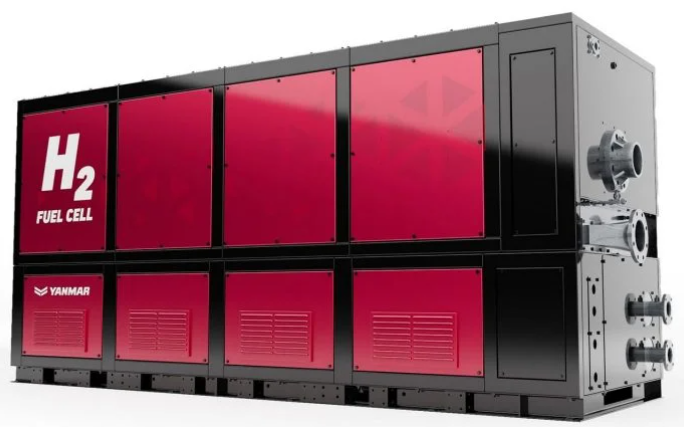
    Source: Yanmar

    Modular design

    The GH320FC is designed for easy installation across various vessels. Its modular design allows multiple units to connect in parallel, meeting diverse power needs. This flexibility makes it ideal for coastal ferries, inland cargo ships, and port service vessels, especially in Europe’s low-emission zones.

    The power output is 300 kW which bring the fuel cell into the larger segment, which is required for shipping’s multi-megawatt.

    European decarbonization

    Eric Tigelaar, Yanmar Europe’s Commercial Marine Department Manager, emphasized the system’s role in providing sustainable energy solutions. Masaru Hirose, General Manager at Yanmar Power Technology, highlighted its contribution to European decarbonization goals, building on successful deployments in Japan.

    DNV’s Olaf Drews praised the system’s potential in achieving zero-emission operations. He noted that fuel cells with renewable fuels offer efficient, scalable power solutions for the maritime industry’s future.

    This approval marks a pivotal step toward cleaner maritime operations. Yanmar’s innovation aligns with global efforts to reduce emissions and promote sustainable energy in marine transport.
  • Sydrogen Achieves Key Certification for Maritime Fuel Cell

    Another maritime fuel cell supplier achieves Approval in Principle as a first step toward commercialization for maritime applications. The recent flurry of announcements regarding fuel cell approvals is a good sign. More competition is required in this space.

    A Milestone for Maritime Decarbonization

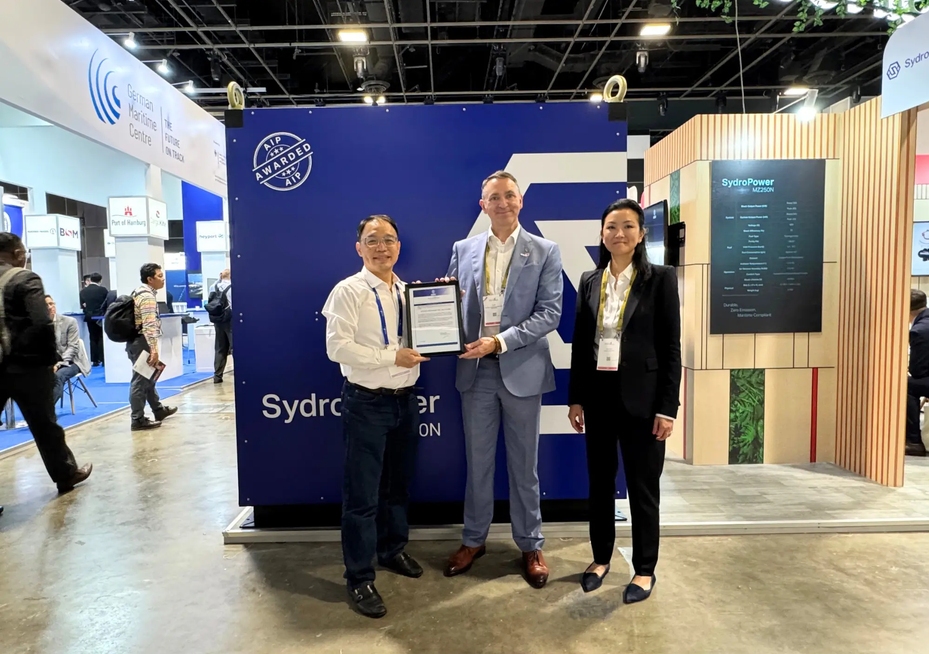
    Singapore-based innovator Sydrogen Energy has achieved a significant breakthrough, securing crucial certification milestones for its maritime hydrogen fuel cell technology. Sydrogen’s Maritime Fuel Cell, the SydroPOWER MZ250N, recently received a Basic Design Assessment (BDA) Statement and Approval in Principle (AiP)from Bureau Veritas Marine & Offshore (BV). The statements mark a vital step toward commercializing advanced hydrogen-based energy solutions in maritime operations.

    Source: Sydrogen

    Advanced Fuel Cell Technology

    The SydroPOWER MZ250N incorporates proven automotive hydrogen fuel cell technology from Sydrogen’s partner, Shanghai Hydrogen Propulsion Technology (SHPT). Designed specifically for maritime environments, this fuel cell system promises reliable and efficient power for various applications, including commercial vessels and offshore platforms. The system significantly reduces greenhouse gas emissions and pollutants, contributing directly to global climate goals and cleaner oceans.

    Rigorous Certification and Validation

    The BDA Statement from Bureau Veritas confirms that the SydroPOWER MZ250N meets stringent safety, performance, and reliability standards. This rigorous evaluation process reinforces Sydrogen’s commitment to excellence and highlights the reliability of their technology. This certification demonstrates the industry’s increasing acceptance and readiness for hydrogen-based maritime solutions.

    Industry Leaders Voice Support

    Teo Eng Dih, Chief Executive of the Maritime and Port Authority of Singapore, praised Sydrogen’s milestone, stating, “We welcome the efforts by Sydrogen and its partners in advancing hydrogen fuel cell technology for maritime use. The Basic Design Assessment is an encouraging milestone that reflects momentum across the industry to explore cleaner energy solutions.”

    Gian Yi-Hsen, CEO of Sydrogen, emphasized the impact of this achievement, noting, “Receiving this Basic Design Assessment Statement from Bureau Veritas marks a transformative moment for Sydrogen Energy. This achievement is not just a validation of our technology’s safety and reliability; it represents a significant step forward in our mission to revolutionize maritime energy solutions.”

    Moving Forward with Sustainable Maritime Energy

    With the certification milestone achieved, Sydrogen is now positioned to accelerate deployment of the SydroPOWER MZ250N. The company is actively engaging with potential customers and industry partners to launch pilot projects and commercial installations. These efforts will help drive maritime operations toward a sustainable, zero-emission future.

    This certification highlights not only Sydrogen’s innovative approach but also underscores the broader maritime industry’s commitment to sustainable and environmentally friendly solutions.

  • France Strikes White Hydrogen Gold

    France has recently unveiled a significant deposit of natural hydrogen, often referred to as “white hydrogen,” in the Lorraine region. With all the recent struggles of green hydrogen, white hydrogen feels like a dream scenario that could boost world-wide adoption of hydrogen in all applications including shipping. In my view the potential is so great, it should become a European moonshot approach: get white hydrogen out of the ground at industrial scale by 2035.

    Understanding White Hydrogen

    White hydrogen is naturally occurring molecular hydrogen found in the Earth’s crust, formed through various geological processes. Unlike green hydrogen, which is produced via electrolysis using renewable energy, or gray hydrogen, derived from natural gas, white hydrogen is extracted directly from underground deposits. This direct extraction can lead to lower production costs and reduced environmental impact.

    Details of the French Discovery

    In the Lorraine region, researchers have identified a substantial reservoir of natural hydrogen. Estimates suggest this deposit could contain up to 250 million tonnes of hydrogen, sufficient to meet current global demand for over two years. This finding not only underscores France’s potential in the clean energy sector but also highlights the country’s commitment to innovative energy solutions.

    Cost Implications of White Hydrogen Production

    One of the most compelling aspects of white hydrogen is its cost-effectiveness. Current extraction costs range between $0.50 to $1 per kilogram, depending on factors like deposit depth and purity. This positions white hydrogen as a competitive alternative to both gray and green hydrogen:

    • Gray Hydrogen: Produced from natural gas, its costs have risen due to fluctuating gas prices, now averaging around €6 per kilogram.
    • Green Hydrogen: Produced via electrolysis using renewable energy, it remains relatively expensive, with costs ranging from $6 to $12 per kilogram.

    Implications for the Future

    The discovery of white hydrogen in France could significantly influence the global energy market by providing a more affordable and cleaner energy source. If harnessed effectively, it has the potential to reduce reliance on fossil fuels, decrease greenhouse gas emissions, and accelerate the transition to a sustainable energy future.

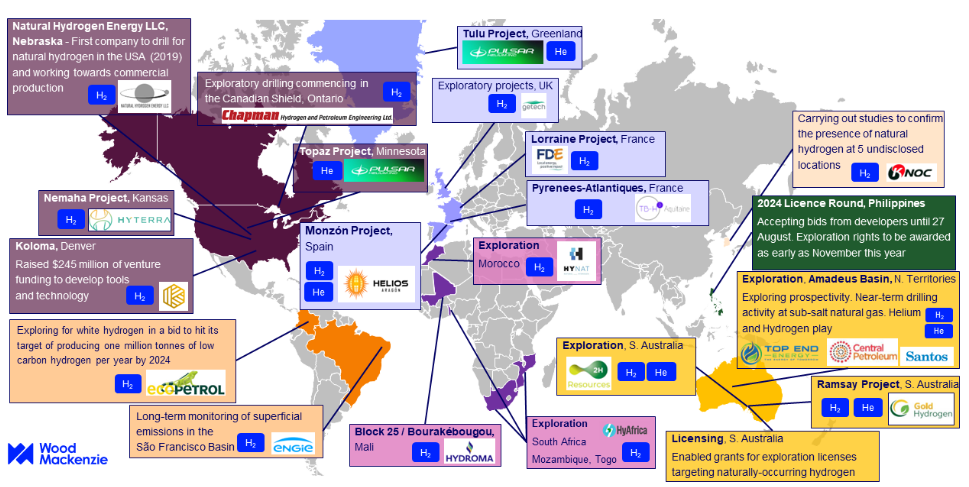
    France’s search for white hydrogen is not an isolated occurrence, as the map below shows. More details available here.

    Source: Wood Mackenzie

    In conclusion, France’s recent discovery of white hydrogen not only highlights the country’s potential in the renewable energy sector but also offers a glimpse into a future where clean, cost-effective energy is accessible on a global scale.

  • GreenH Advances Hydrogen Hub for Ships

    Those involved with hydrogen project for shipping know the chicken-and-egg situation: why build hydrogen ships when there is not supply vs in order to build the infrastructure we need guaranteed long term off-take. That is why GreenH’s final investment decision (FID) is such a big deal: finally dedicated hydrogen supply hub for ships will be constructed. While simultaneously solving the problem of bunkering high volumes of compressed hydrogen into a ship. Therefore we can only respect this major green shipping milestone.

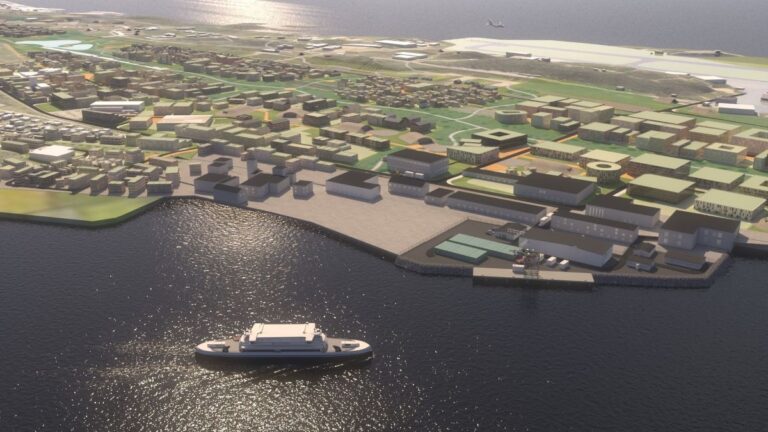
    Norwegian company GreenH has secured NOK 1 billion (approximately $89 million) to develop a green hydrogen facility in Bodø. This plant will supply hydrogen the two Torghatten Nord’s ferries on the Vestfjorden route. The FID, announced on January 27, 2025, marks a significant milestone after four years of development.

    Source: GreenH

    Enova grant

    In November 2024, Enova granted NOK 129 million (around $11.5 million) to support the Bodø hydrogen facility. This funding was pivotal in reaching the final investment decision.

    Norwegian hydrogen hub

    The Bodø facility will feature a 20 MW electrolyzer, capable of producing up to 3,100 tons of green hydrogen annually. Operations are slated to begin in 2026, making it the first in Northern Europe to supply pressurized green hydrogen directly to maritime vessels. This initiative aligns with broader efforts to decarbonize maritime transport. For instance, Norwegian shipyard Myklebust Verft is constructing two hydrogen-powered ferries for Torghatten Nord. Upon delivery, these vessels will be the world’s largest hydrogen-powered ships, operating primarily on the green hydrogen produced in Bodø.

    Port infrastructure

    Globally, ports are investing in hydrogen infrastructure to support sustainable shipping. The Port of Seattle is exploring green hydrogen to power port operations and fuel vessels. Similarly, the Hamburg Green Hydrogen Hub plans to start building its electrolysis plant in 2025, aiming to decarbonize the port and surrounding industries. These developments underscore the maritime industry’s commitment to reducing emissions through innovative hydrogen solutions.